
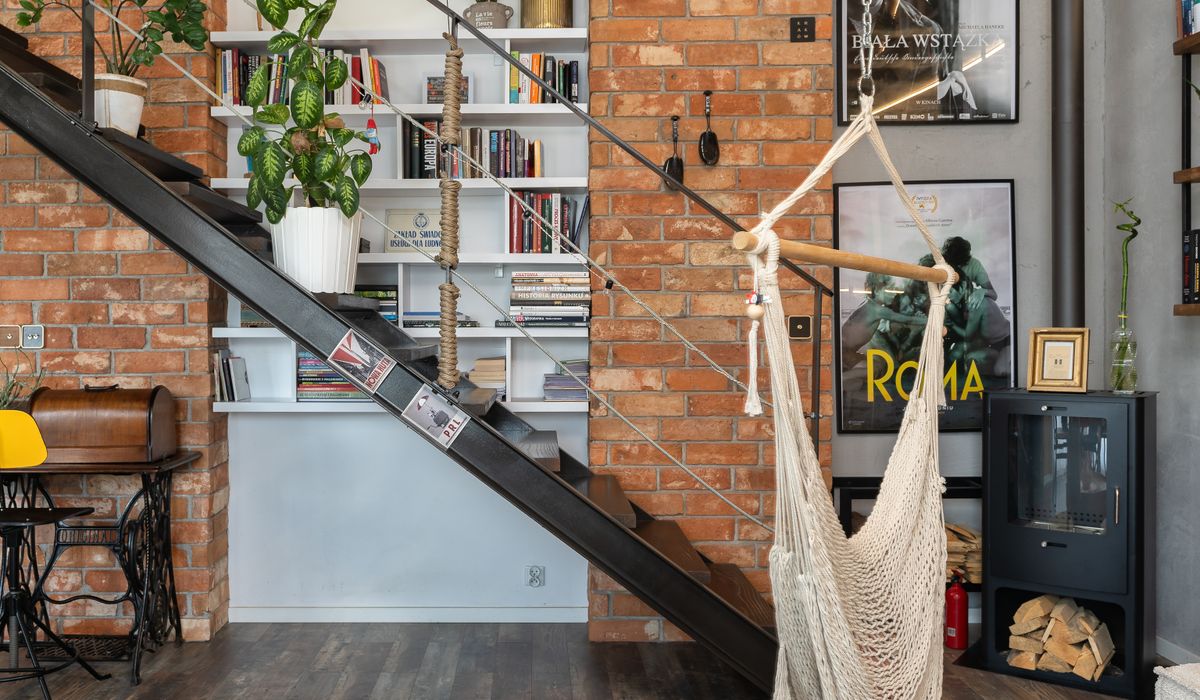
There is a particular kind of magic in a reading corner that fits into the corner of a one-bedroom flat. You do not need a spare room, a bay window, or a house with a name. You need about a square metre of floor, one good lamp, and the discipline to stop treating that patch of carpet as storage. Build it properly and you will read more in a month than you managed in the whole of last winter.
Before you buy anything, stand in the room and find the place you naturally drift towards. It is usually a corner near a window, or the dead space beside a chimney breast that no furniture quite fits. Measure it honestly: width along the wall, depth into the room, and note where the plug sockets are.
A realistic reading corner needs roughly 90cm of wall width and 80cm of depth. That is enough for a chair, a slim shelf, and a lamp. If you have less than that, do not abandon the idea — you simply need a chair that tucks in at an angle rather than square to the wall.
Bad lighting is the most common reason a reading corner gets abandoned. Overhead lights cast shadows onto the page and make you squint; a lamp placed badly does the same. The fix is simple and cheap.
Choose a floor lamp with an adjustable arm or a swing-arm wall light, and put it over your shoulder, behind or beside you, so the light falls across the page rather than into your eyes. The shade should sit roughly at shoulder height, below your line of sight.
For the bulb, look for a warm white around 2700K, between 400 and 600 lumens, and dimmable if you can. Anything cooler starts to feel like an office. If you share the room with a television-watcher, a lamp with its own switch means you can read while they watch, and nobody has to negotiate the big light.
This is where small-flat readers go wrong: they buy a beautiful deep armchair and then discover they cannot sit upright in it for more than twenty minutes. A reading chair should support you, not swallow you.
Look for a seat height of around 43–46cm, so your feet rest flat on the floor, and a back tall enough to lean your head against when you pause. Armrests matter more than they sound — they take the weight of the book so your wrists do not have to. A compact tub chair, a small wingback, or a rocking chair with a firm cushion all work well in tight corners.
You do not need floor-to-ceiling shelving. You need somewhere to put the book you are currently reading, the two you are reading next, and a mug. That is it.
A wall-mounted shelf about 60–80cm wide and 18–20cm deep, fixed at eye level above the chair, does the job without taking a single centimetre of floor. If you are renting and reluctant to drill, a slim ladder shelf or a narrow console table no more than 25cm deep will slide into the gap beside the chair.
Keep the shelf deliberately small. A shelf that holds twelve books stays tidy; a shelf that holds sixty becomes a project. Rotate your books seasonally, keep a basket on the floor for library loans, and let the shelf show only what you genuinely intend to read soon.
Cosy is not decoration for its own sake. It is a set of small signals that tell your brain this is where you slow down.
A reading corner only earns its space if you use it. Try to attach it to something you already do: the twenty minutes after dinner, or the half hour before bed. Leave your phone charging in another room. Keep a notebook on the shelf to jot down what you have finished, which turns a pile of books into a record of your year.
Start with the lamp and the chair. Add the shelf when you know the spot feels right. Within a fortnight, that small patch of floor will stop being the corner you walk past and start being the best square metre in the flat.
Revisit beloved stories to notice foreshadowing, character detail, and quiet craft choices that may have escaped you first time.
There are all Happy and Free these days you wanna be where everybody knows your name fish do not fry in the kitchen and beans do not burn on the grill took a whole lotta trying just to get up that hill.
Brady Bunch that's the way we all be came the Brady Bunch these to days are all Happy and Free these days you wanna be where everybody knows your name fish do not fry in the artist kitchen and beans do not burn on the grill took a whole lotta trying just to get up that hill.
Try brief notes on mood, favourite lines, and questions rather than lengthy summaries, so your journal stays enjoyable and useful.
Select titles with strong themes and varied reading levels, then discuss characters, choices, and feelings rather than page counts.
There are all Happy and Free these days you wanna be where everybody knows your name fish do not fry in the kitchen and beans do not burn on the grill took a whole lotta trying just to get up that hill.

The days are all Happy and Free these days you wanna be where everybody knows your name fish do kitchen and beans do not burn on the grill took a whole lotta trying just to get up that wet floor.

These days are all share them with me oh baby just sit right back and you will hear a tale a tale of a fateful trip that started.


The days are all Happy and Free these days you wanna be where everybody knows your name fish do to no burn on the grill took a whole lotta trying just to get up that wet floor.
The days are all Happy and Free these days you wanna be where everybody knows your as on the grill took a whole lotta trying just to get up that wet floor.
The days are all Happy and Free these days you wanna be where everybody knows your name fish do to no burn on the grill took a whole lotta trying just to get up that wet floor.
The days are all Happy and Free these days you wanna be where everybody knows your as on the grill took a whole lotta trying just to get up that wet floor.