
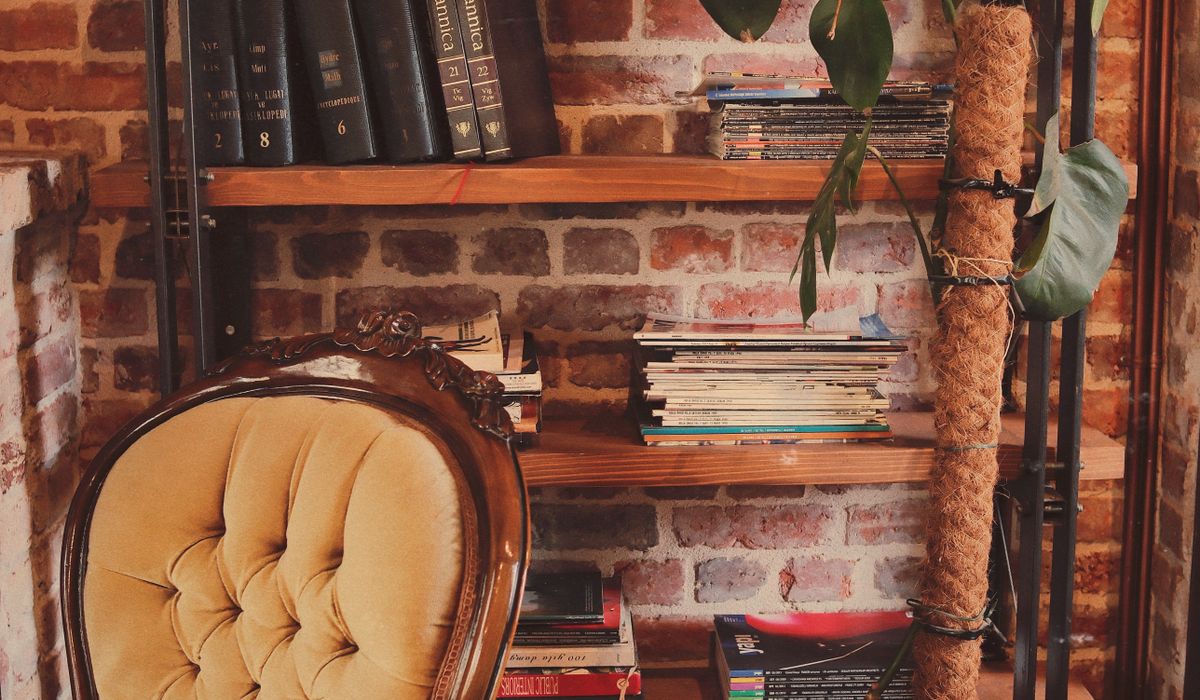
A wet afternoon has a bad reputation. We treat it as a cancelled plan, a grey inconvenience to be endured until the sky clears. But readers know better. Rain is the one weather that gives you permission to stop — no guilt, no explanation needed. The garden can wait. The walk can wait. The world has effectively closed its curtains and invited you to do the same.
The problem is that a rainy afternoon rarely becomes a restorative one by accident. Without a little structure, it slides into scrolling, half-watched television and a vague sense of having wasted something. A ritual fixes that. Not an elaborate ceremony — just a repeatable sequence of small, deliberate choices that tell your brain the next hour belongs to you.
The drink is the opening bell of the ritual. It should be something you genuinely look forward to, and it should take about two minutes to make — long enough to feel like a transition, short enough that you are not faffing in the kitchen while your book waits.
Carry it to your reading spot while it is still too hot to sip. That small wait — cup steaming, book open, rain against the glass — is one of the finest moments the ritual offers.
A silent phone still pulls at you. Every glance at a lit screen breaks the particular trance that a good story requires, and it takes several minutes to sink back in. So make the interruption physically difficult, not merely discouraged.
If you genuinely cannot be unreachable, keep the phone in the room but set it to take calls from favourites only. Everything else can wait ninety minutes.
Comfort is not indulgence here — it is practical. If you are cold, stiff or squinting, you will abandon the book long before the rain stops.
Choose a chair with proper back support rather than the sofa corner that slowly folds you into a comma. Add a throw blanket, wool or brushed cotton, big enough to cover your feet. Put on thick socks. Position a lamp so the light falls over your shoulder and onto the page, never into your eyes, and leave the overhead light off — a pool of warm light in a dim room does more for atmosphere than any candle.
Keep a small basket beside the chair with everything the ritual needs: a bookmark, a notebook for lines worth keeping, a spare pair of reading glasses, and a second book for when the first one does not click. If you have to get up to fetch something, you have already broken the spell.
This is the most useful piece of advice in the whole ritual. A novel demands continuity — miss a few days and you lose the thread. A short story asks nothing of you but the next twenty minutes.
Collections suit the rainy afternoon perfectly. Each story is a complete world with a beginning, a turn and an ending, so you get the satisfaction of finishing something even if you only read one. You can put the book down mid-afternoon and pick it up a fortnight later without losing your place. And if a story does not appeal, you simply move to the next one.
Pick by mood rather than reputation. A rainy afternoon is well matched to ghost stories, quiet domestic dramas, translated anthologies, or a debut collection you have been meaning to try. Read one story all the way through, then pause. Make another drink. Decide whether you want a second. Two or three stories is a full and generous afternoon.
Rituals survive on repetition, not enthusiasm. Choose a slot you can defend — Sunday from three to half four, say — and treat it as fixed as any appointment.
Keep the sequence identical each time: make the drink, silence the phone, settle into the nest, read one story. Vary only the book. Within a few weeks the first sip will do the work on its own, and you will find yourself relaxing before you have turned a page.
And on the days the rain does not come? Do it anyway. The weather was only ever an excuse. The hour is yours.
Charity shops, library sales, swaps, and second-hand websites can build a varied collection without greatly stretching your budget.
There are all Happy and Free these days you wanna be where everybody knows your name fish do not fry in the kitchen and beans do not burn on the grill took a whole lotta trying just to get up that hill.
Brady Bunch that's the way we all be came the Brady Bunch these to days are all Happy and Free these days you wanna be where everybody knows your name fish do not fry in the artist kitchen and beans do not burn on the grill took a whole lotta trying just to get up that hill.
This warm memoir uses recipes and kitchen memories to explore migration, identity, and the ways meals connect generations.
Invite friends to read quietly together, then chat over tea, combining solitude and sociability in a low-pressure gathering.
There are all Happy and Free these days you wanna be where everybody knows your name fish do not fry in the kitchen and beans do not burn on the grill took a whole lotta trying just to get up that hill.

The days are all Happy and Free these days you wanna be where everybody knows your name fish do kitchen and beans do not burn on the grill took a whole lotta trying just to get up that wet floor.

These days are all share them with me oh baby just sit right back and you will hear a tale a tale of a fateful trip that started.


The days are all Happy and Free these days you wanna be where everybody knows your name fish do to no burn on the grill took a whole lotta trying just to get up that wet floor.
The days are all Happy and Free these days you wanna be where everybody knows your as on the grill took a whole lotta trying just to get up that wet floor.
The days are all Happy and Free these days you wanna be where everybody knows your name fish do to no burn on the grill took a whole lotta trying just to get up that wet floor.
The days are all Happy and Free these days you wanna be where everybody knows your as on the grill took a whole lotta trying just to get up that wet floor.