
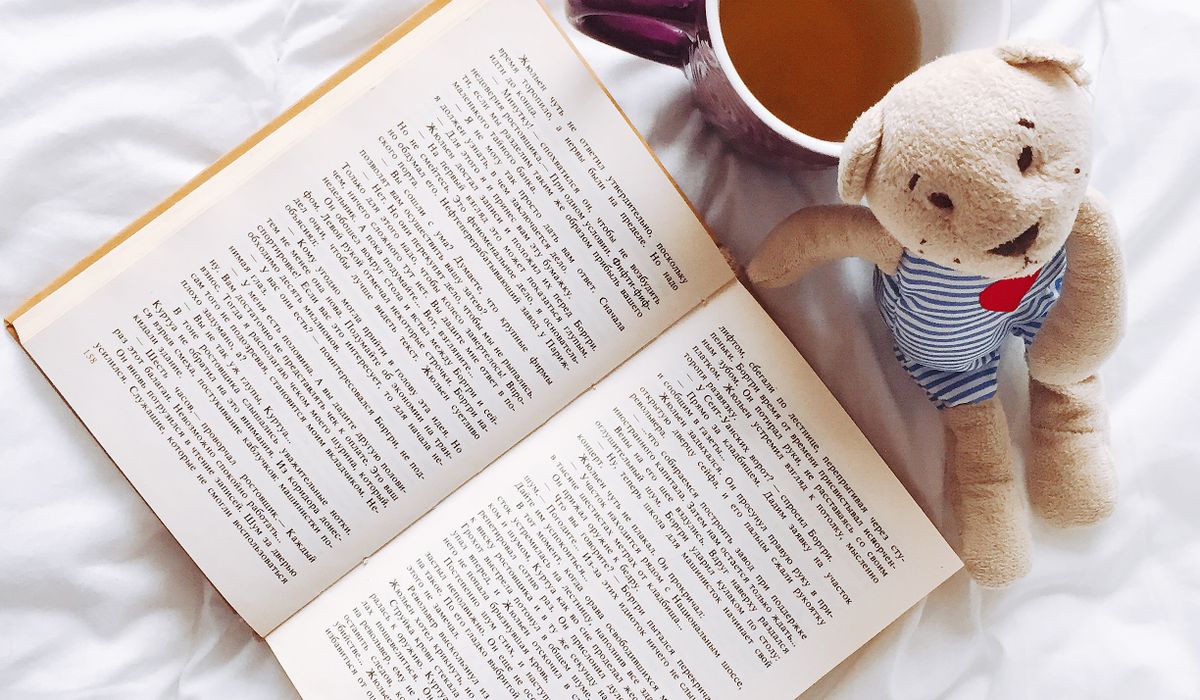
Most family bookshelves tell a story of their own: a teetering stack of picture books, a row of chapter books with cracked spines, perhaps a few battered annuals propped at the end. Poetry often gets squeezed into the gaps, if it appears at all. That is a genuine shame, because a poem offers something novels and picture books rarely manage — a complete experience in under a minute.
A poem can be finished before a child's attention wanders. It can be read again immediately, which is exactly what young readers want. And it can be carried around in the memory, ready for a long car journey or a wet afternoon. Building a dedicated poetry shelf — even if that shelf is one wicker basket beside the bed — signals that verse is not a school subject but part of ordinary family life.
Start where the laughter is. Very young children respond to rhythm long before they understand meaning, so nonsense verse is the perfect doorway. Poems about wobbly jelly, runaway socks or a granny who swallows something ridiculous give children permission to be silly with language, and silliness is the shortest route to confidence.
Classic nonsense writers such as Edward Lear still work beautifully, and a good modern anthology will sit happily beside them. Read each poem twice: once for the story, once purely for the sound.
Nature poems slow everyone down. They notice things — a snail's shell, the first frost, rain drumming on a tent — and children are natural noticers when they are given the chance. A nature poem read before a walk becomes a piece of equipment, like a magnifying glass in your pocket.
Keep two or three nature collections on the shelf and dip into them seasonally. In spring, hunt out poems about buds, nests and birdsong; in autumn, gather ones about conkers, wind and dark evenings. Short lyrics by writers such as Christina Rossetti and Robert Louis Stevenson have lasted a century for good reason: they are simple without being thin, and they rhyme in a way that feels inevitable rather than forced.
Try keeping a small notebook of your own family's nature lines. A four-line poem about a blackbird on the fence, written together on a Sunday, will be read far more often than anything bought in a shop.
Illustration matters enormously in poetry books for children. A well-drawn picture gives a nervous reader somewhere to rest their eyes and a clue about the mood of the poem. A poor one, or too many of them crammed onto a page, can make verse feel like homework.
Hardbacks last longer and feel more special, which matters when a book is handled daily. If budget is tight, charity shops and library sales are goldmines for older anthologies with generous illustrations.
Poetry is oral by nature. It was spoken long before it was printed, and it comes alive in a voice — yours, not a recording. The trick is frequency rather than duration. One poem at breakfast, one after school, one at bedtime adds up to more than a lengthy session once a week.
Let your child choose from three options rather than the whole shelf. Take turns reading alternate lines. Put on a silly voice for the villain and a slow one for the ending. Resist the urge to explain every image; some poems simply need to sit and settle. When a line makes you laugh, say so. Enthusiasm is contagious in a way that analysis rarely is.
Memorising lines is not an old-fashioned chore — it is a gift. A child who knows a poem by heart owns something that no one can take away, and can call on it while waiting for a bus or lying awake at night.
A poem learned at six may still be recited at sixty. Fill the shelf with rhymes, nature and nonsense, read aloud often, and let the words settle. The shelf will do the rest.
Writers balance archives, site visits, and expert advice with story momentum, knowing when research must serve character and plot.
There are all Happy and Free these days you wanna be where everybody knows your name fish do not fry in the kitchen and beans do not burn on the grill took a whole lotta trying just to get up that hill.
Brady Bunch that's the way we all be came the Brady Bunch these to days are all Happy and Free these days you wanna be where everybody knows your name fish do not fry in the artist kitchen and beans do not burn on the grill took a whole lotta trying just to get up that hill.
Magical realism blends everyday settings with impossible events, asking readers to accept wonder as part of ordinary life.
Brew a favourite drink, silence notifications, and pair a blanket with a short story collection for a restorative escape.
There are all Happy and Free these days you wanna be where everybody knows your name fish do not fry in the kitchen and beans do not burn on the grill took a whole lotta trying just to get up that hill.

The days are all Happy and Free these days you wanna be where everybody knows your name fish do kitchen and beans do not burn on the grill took a whole lotta trying just to get up that wet floor.

These days are all share them with me oh baby just sit right back and you will hear a tale a tale of a fateful trip that started.


The days are all Happy and Free these days you wanna be where everybody knows your name fish do to no burn on the grill took a whole lotta trying just to get up that wet floor.
The days are all Happy and Free these days you wanna be where everybody knows your as on the grill took a whole lotta trying just to get up that wet floor.
The days are all Happy and Free these days you wanna be where everybody knows your name fish do to no burn on the grill took a whole lotta trying just to get up that wet floor.
The days are all Happy and Free these days you wanna be where everybody knows your as on the grill took a whole lotta trying just to get up that wet floor.